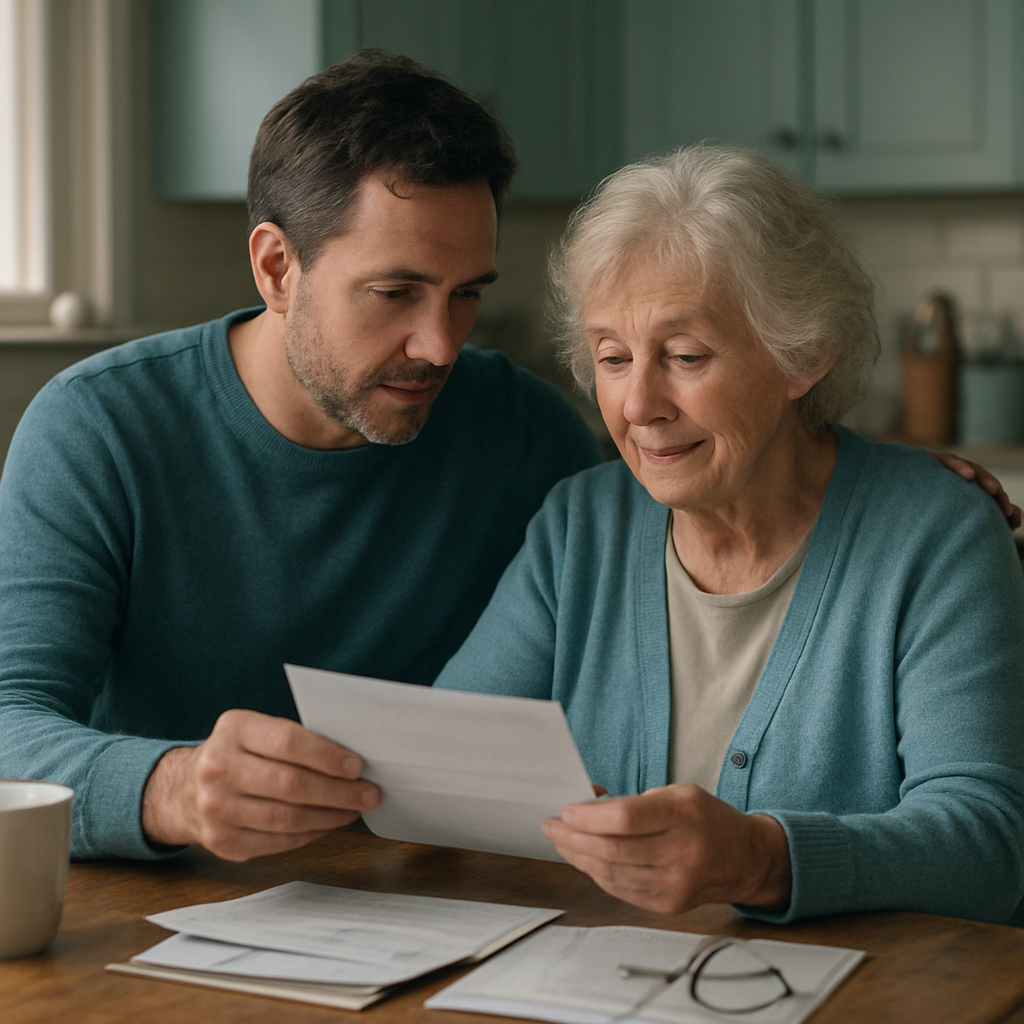
Building a Support Network: You Don't Have to Do This Alone
Caregiving was never meant to be a solo job — here's how to build your circle.

Many caregivers slowly become islands. Friends drift, hobbies fall away, and the role swallows the calendar. Yet isolation is one of the biggest risks a caregiver faces — both for their own health and for the quality of care they can give. Building a network changes everything.
Map the Help You Actually Need
Support comes in different forms, and naming the gaps makes them easier to fill.
- Hands-on help: covering shifts, errands, transportation
- Emotional support: people who simply listen
- Practical knowledge: navigating insurance, benefits, services
Reach Out Specifically
Vague offers like "let me know if you need anything" rarely turn into real help. Specific asks do.
Instead of waiting for help to appear, try: "Could you sit with Mom on Tuesday afternoon?" Clear requests are far easier to say yes to.
Tap Into Community Resources
You don't have to build the whole network from scratch. Many supports already exist.
- Local Area Agencies on Aging
- Caregiver support groups, in person or online
- Faith communities and volunteer organizations
- Respite care programs and adult day centers
Keep Your Own Friendships Alive
Don't let your entire identity collapse into the caregiver role. Maintaining outside connections protects your mental health and reminds you who you are beyond the responsibility.
Asking for help isn't weakness. It's how good caregivers keep going.
This article is for educational purposes only and does not replace professional advice or mental health support.
Disclaimer: The information provided on Top10Care is for educational purposes only and should not replace professional medical advice. Always consult with qualified healthcare providers for medical decisions.