Staying Hydrated: Why It Matters More as You Age
Thirst fades with age — but your need for water doesn't. Stay ahead of it.
Hydration sounds almost too simple to be important, yet it quietly affects energy, thinking, digestion, and even mood. With age, staying hydrated becomes both harder and more crucial — a combination that makes it worth paying attention to.
Why Age Changes the Equation
Several changes make older adults more vulnerable to dehydration.
- The sense of thirst naturally weakens
- The body holds less water overall
- Some medications increase fluid loss
- Mobility issues can make getting a drink harder
Spot the Warning Signs
Dehydration can masquerade as other problems, especially in older adults.
- Confusion or sudden fogginess
- Dizziness or weakness
- Dark urine or infrequent bathroom trips
- Headaches and fatigue
In older adults, sudden confusion isn't always a serious medical event — sometimes it's simply dehydration. But it's always worth checking.
Make Drinking Easier
The goal is steady fluid throughout the day, not gulping it all at once.
- Keep a water bottle or glass within easy reach
- Sip on a schedule rather than waiting for thirst
- Include water-rich foods like soup, fruit, and yogurt
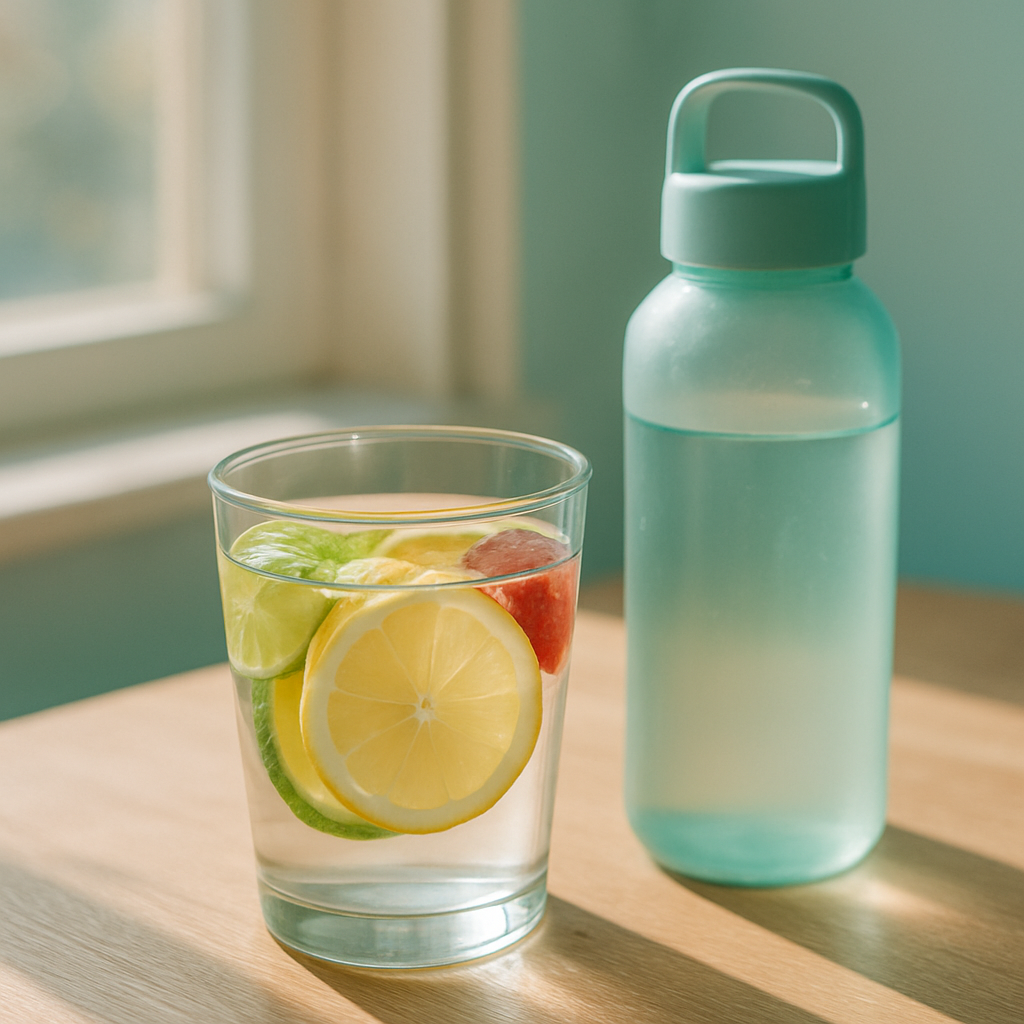
- Flavor water gently if plain water is unappealing
Staying hydrated is one of the simplest, most overlooked ways to protect health and clarity — especially as the years go on.
This article is for educational purposes only. Consult your healthcare provider about your fluid needs, especially with conditions affecting the heart or kidneys.
Disclaimer: The information provided on Top10Care is for educational purposes only and should not replace professional medical advice. Always consult with qualified healthcare providers for medical decisions.